
Learn what a she shed is, how Australians are using them, and how to create a stylish backyard retreat for work, hobbies, relaxation, and more.
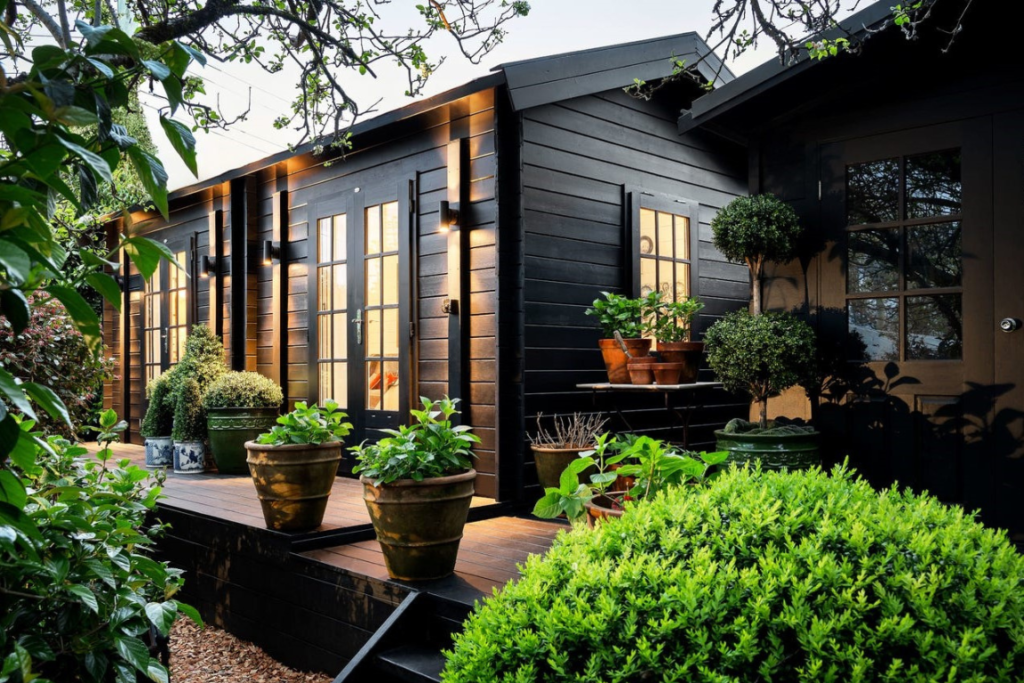
A She Shed is a dedicated backyard structure, separate from the main house, built specifically for one woman’s use. Think of it as the female answer to the man cave: somewhere to work, create, unwind or pamper yourself, without the rest of the household drifting in and out.
Where a garden shed exists to store things, a She Shed exists to hold space, physically and mentally, for whoever it belongs to.

Why SheSheds have become so popular
The idea isn’t just aesthetic. For a lot of women, especially those juggling work, family and a home that never quite switches off, there’s rarely a room that’s truly theirs. A SheShed solves that by putting a small amount of distance, just a few steps out the back door, between you and everyone else’s needs.
That distance matters. A dedicated space you return to again and again helps build a genuine sense of calm and stability over time, and it becomes somewhere you can pursue a hobby, finish a creative project, or simply sit in silence, entirely on your own terms.
What can you actually use a SheShed for?
This is where they really earn their keep. Popular uses include:
- A home office or studio, away from household noise and distractions
- An art studio or craft room, with proper light and no fear of mess
- A beauty cabin or home salon, for personal pampering or even a small side business
- A wellness retreat, built around stillness, movement or quiet rituals
- A music studio, properly soundproofed for uninterrupted practice
- A therapy or reading room, simple, calm and entirely private
- A guest space or Airbnb, when you want the flexibility
Most she sheds end up serving more than one of these at once, which is worth keeping in mind when you’re planning the layout.


Do you need council approval for a SheShed in Australia?
This is the question everyone asks first, and the honest answer is: it depends on your state. Rules are based on floor area, height, and distance from your boundary, and they vary more than most people expect.
- NSW: Generally exempt if under 20m² in residential zones (up to 50m² on rural land), under 3m high, and set back appropriately from boundaries and the road frontage.
- Victoria: Typically exempt under 10m², though some councils allow more under VicSmart provisions.
- Queensland: Generally exempt under 10m², subject to height and boundary rules.
- ACT: Similar exempt development pathway to NSW, with its own size and setback standards.
- NT: Exempt thresholds are smaller again, often 12m² or less, with strict boundary distances.
- SA, WA and TAS: Approval requirements are generally stricter, and it’s worth checking with your council before you commit to a design.
A few things apply almost everywhere: the shed needs to be non-habitable (no permanent plumbing set up as a bathroom, no one sleeping there long-term), it usually can’t sit forward of your home’s building line, and adding electrics or plumbing can shift what’s required even if the size is exempt. This is general guidance only, rules do change, so always confirm with your local council before you build.
Size and cost considerations
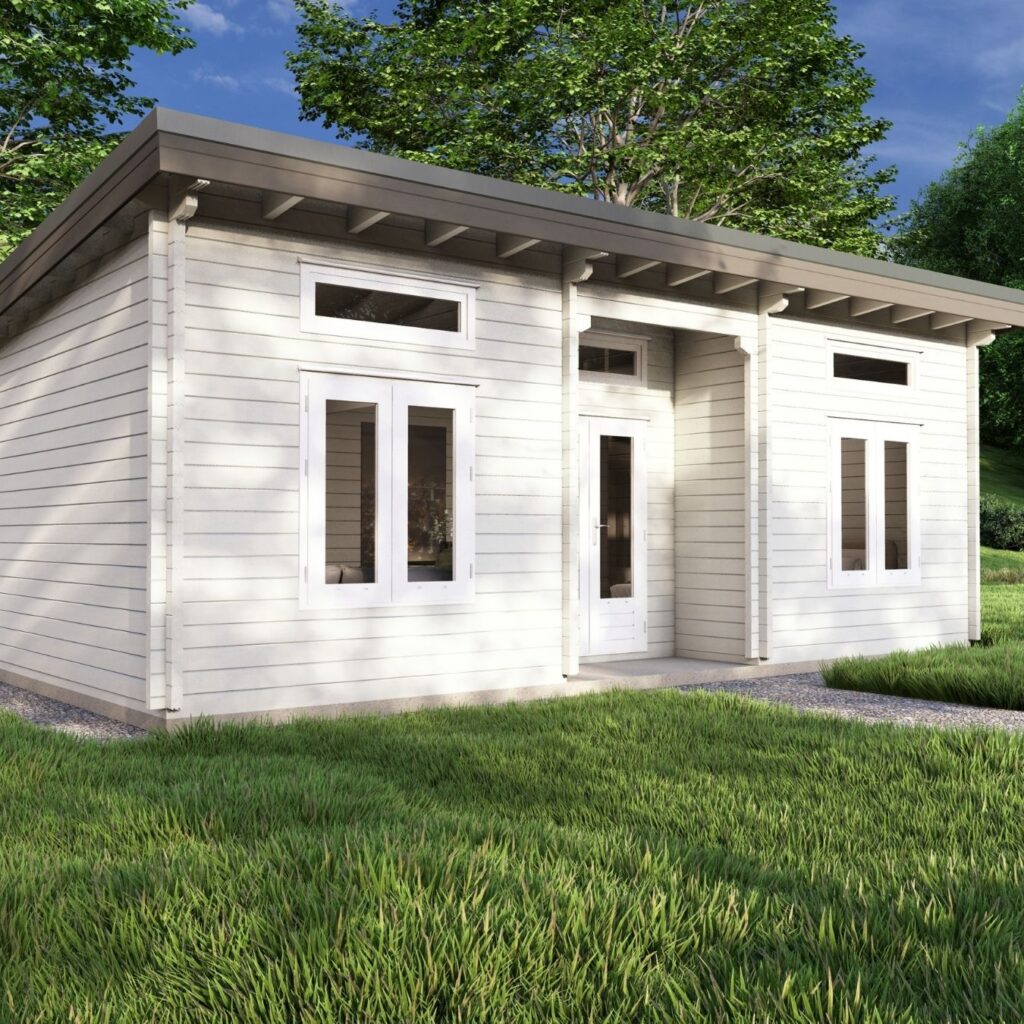
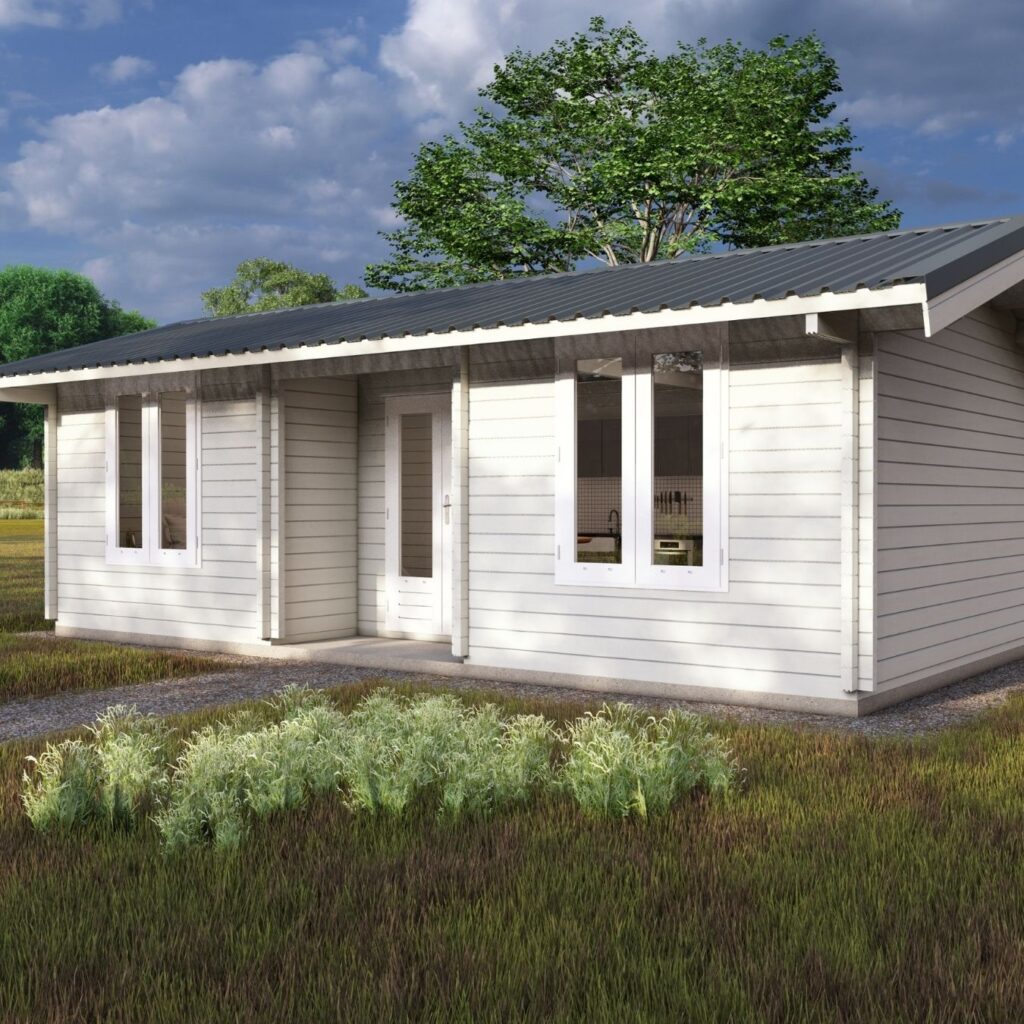
SheSheds range enormously, from a compact 6m² nook to a fully fitted 20m² plus studio. Broadly:
- Smaller sheds (under 10m²) suit a reading nook, a beauty station, or a simple creative corner, and are the easiest to keep exempt from approval.
- Mid-size sheds (10–20m²) give you room for a proper studio, office or wellness space with distinct zones.
- Larger builds (20m²+) can support multiple uses, but will more likely require council sign-off, so factor that into your timeline.
Pricing depends heavily on size, materials, insulation, and whether you’re going flat-pack, kit-build, or fully custom. It’s worth getting a specific quote rather than relying on a rule of thumb, since inclusions vary so much between builders.

Getting the setup right
A few fundamentals make the difference between a SheShed you love and one that sits empty:
- Orientation – Face it to catch the light for when you’ll actually use it, morning sun for an early studio, afternoon light for a wind-down space.
- Insulation and ventilation – Non-negotiable for year-round use in the Australian climate, whether that’s a stinking hot Queensland summer or a cold Victorian winter.
- Power and connectivity – Even a simple power run makes a huge difference if you’re using it as an office, studio or salon.
- Windows and privacy – Balance natural light with the sense of enclosure that makes the space feel like a retreat.


DIY or Builder?
Simple, small sheds are genuinely doable as a DIY or flat-pack project. Anything involving insulation, wiring, plumbing, or a size that pushes into council approval territory is worth handing to a licensed builder or tradesman, both for compliance and for a result that’ll actually last.
SheShed FAQs
What’s the difference between a She Shed and a granny flat?
A SheShed is typically a smaller, non-habitable structure for daytime use like work, hobbies or relaxation. A granny flat is a habitable dwelling, usually with a bathroom and kitchen, and always requires council approval regardless of size.
Do I need council approval for a She Shed in Australia?
It depends on your state, size, and how close it sits to your boundary. Many small she sheds qualify as exempt development, but always check your specific council before building.
How big should a She Shed be?
There’s no set size. Many are effective under 10m², which also keeps things simpler from an approval standpoint, while larger builds suit multiple uses like a combined studio and wellness space.
Your space starts here
Whatever you’re picturing, whether that’s a quiet reading corner, a proper working studio, or a wellness retreat, a SheShed is really about one thing: giving yourself somewhere that’s entirely yours. Everything else, the size, the layout, the finish, is just detail in service of that.


Take our cabin match quiz below to find the right SheShed for you.
